Bees, monarchs, and hummingbirds are all in serious decline. Here's what the data says.
South Jersey sits at the intersection of several major pollinator migration corridors, making what happens here critical to the entire Eastern Seaboard. The numbers on the right are not projections. They already happened.
Eastern monarch butterflies since the 1990s. The species is now listed as vulnerable on the IUCN Red List
The rusty patched bumble bee's collapse across its historic range. It has not been seen in New Jersey since 2000
The share of New Jersey still open to development, 1986 to 2015. The land pollinators need is simply running out
Midwest milkweed lost between 1999 and 2010, the only plant monarchs can lay their eggs on
Sources: IUCN Red List · U.S. Fish & Wildlife Service · Rowan / Rutgers, Changing Landscapes in the Garden State · Pleasants & Oberhauser, 2013. Check our work before you cite it.
Each one now has its own page under Learn: the full biology, the decline, and exactly what to plant for them. This page tells the bigger story of the habitat they are all losing.
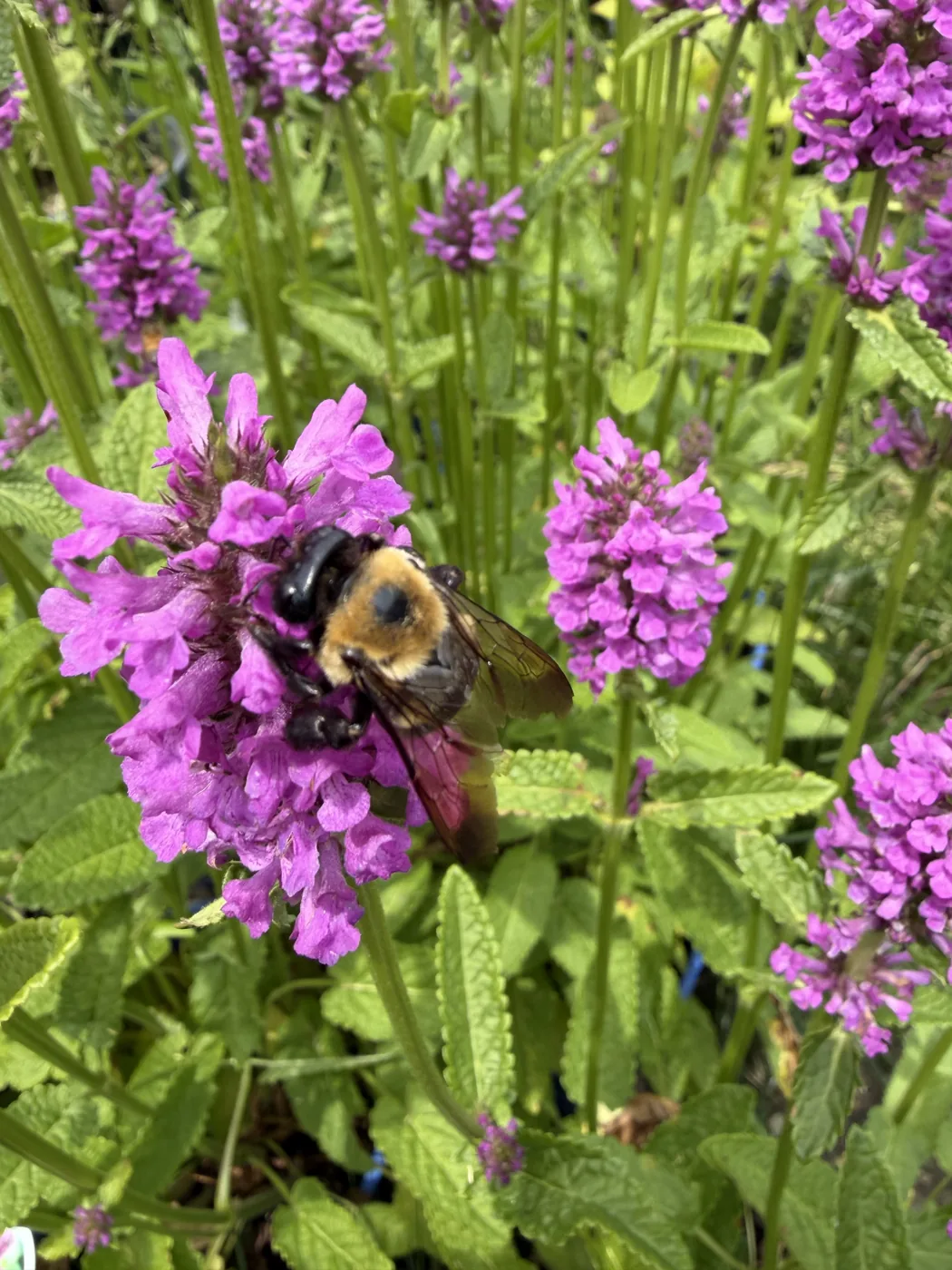
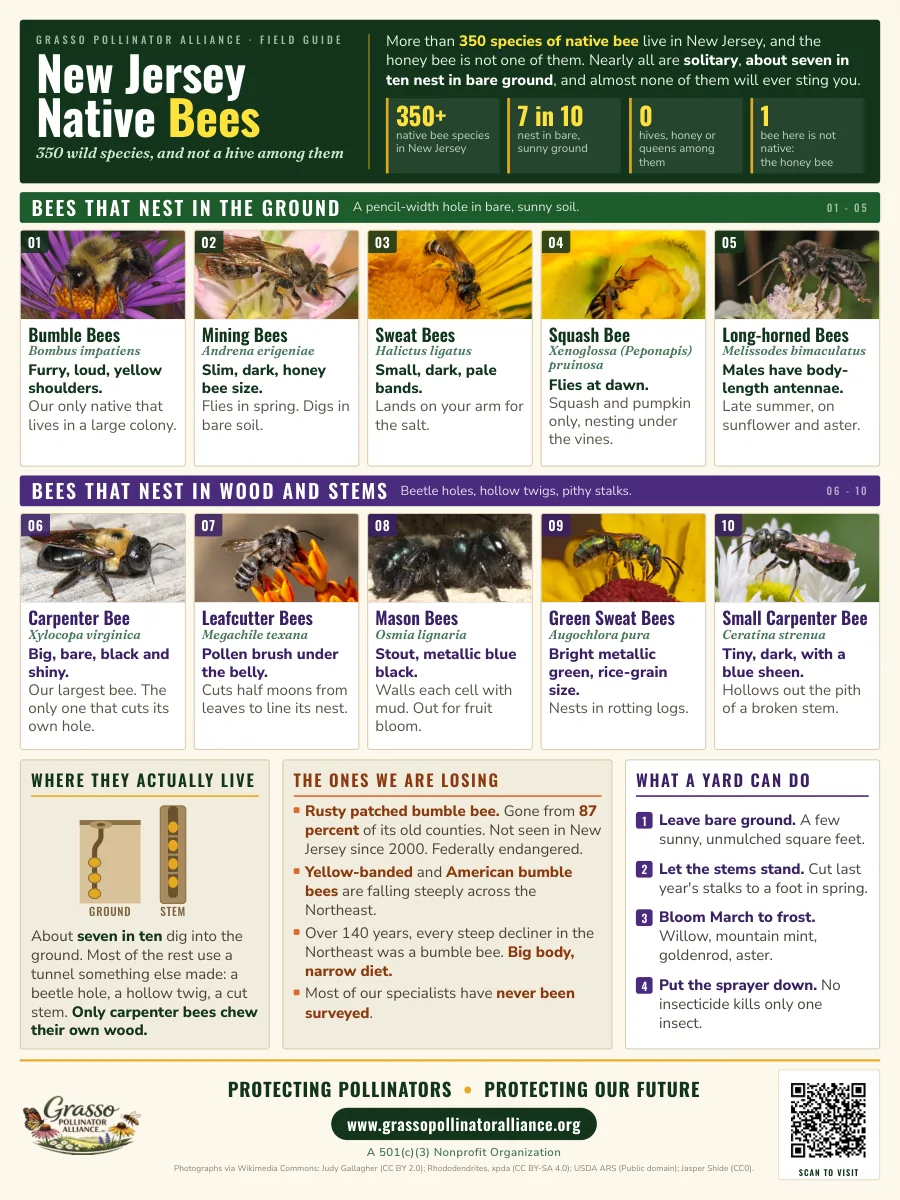
More than 350 wild species were pollinating New Jersey before anyone kept a hive. Most nest in bare ground, and the ground keeps shrinking.
Meet the bees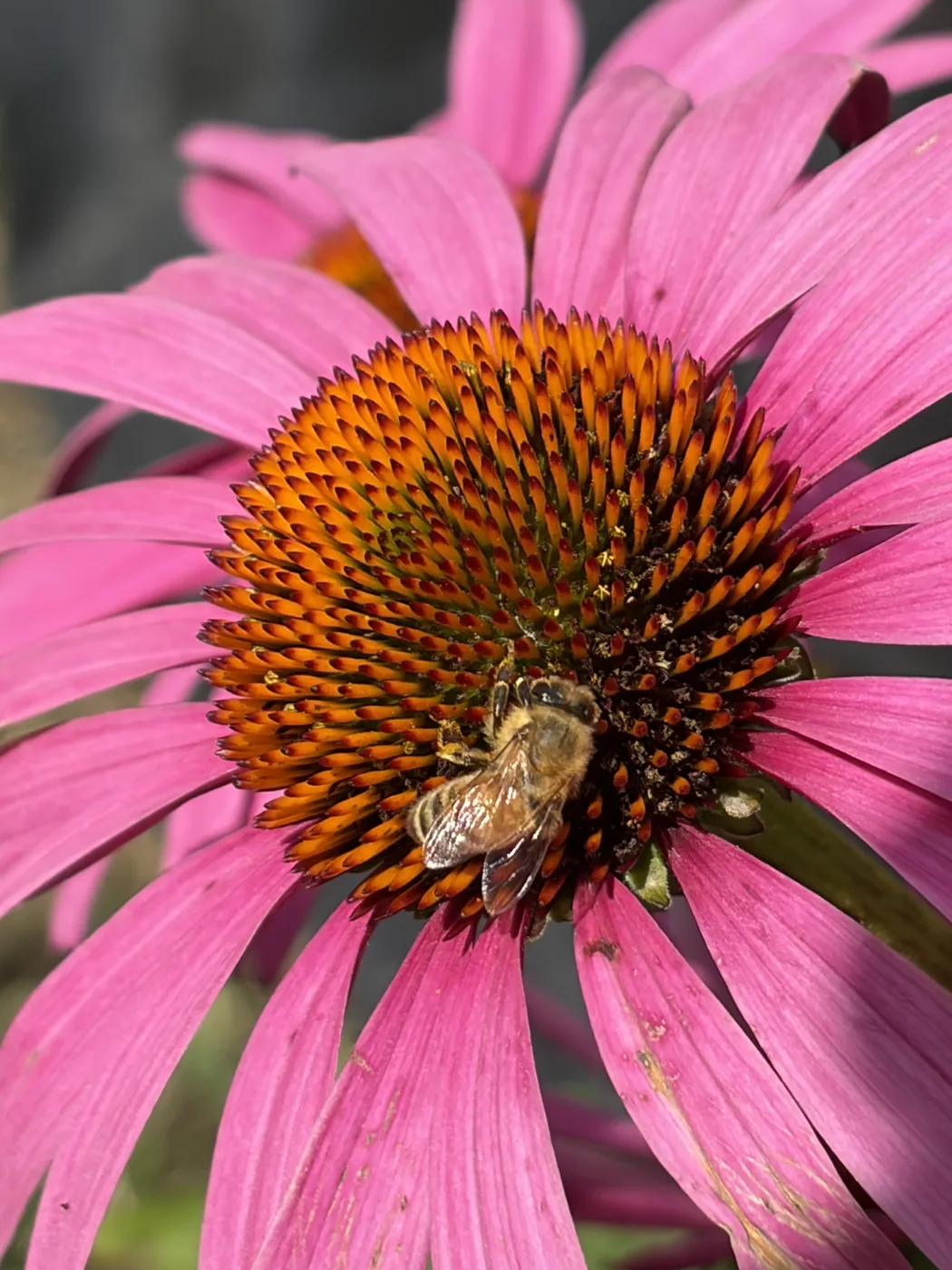
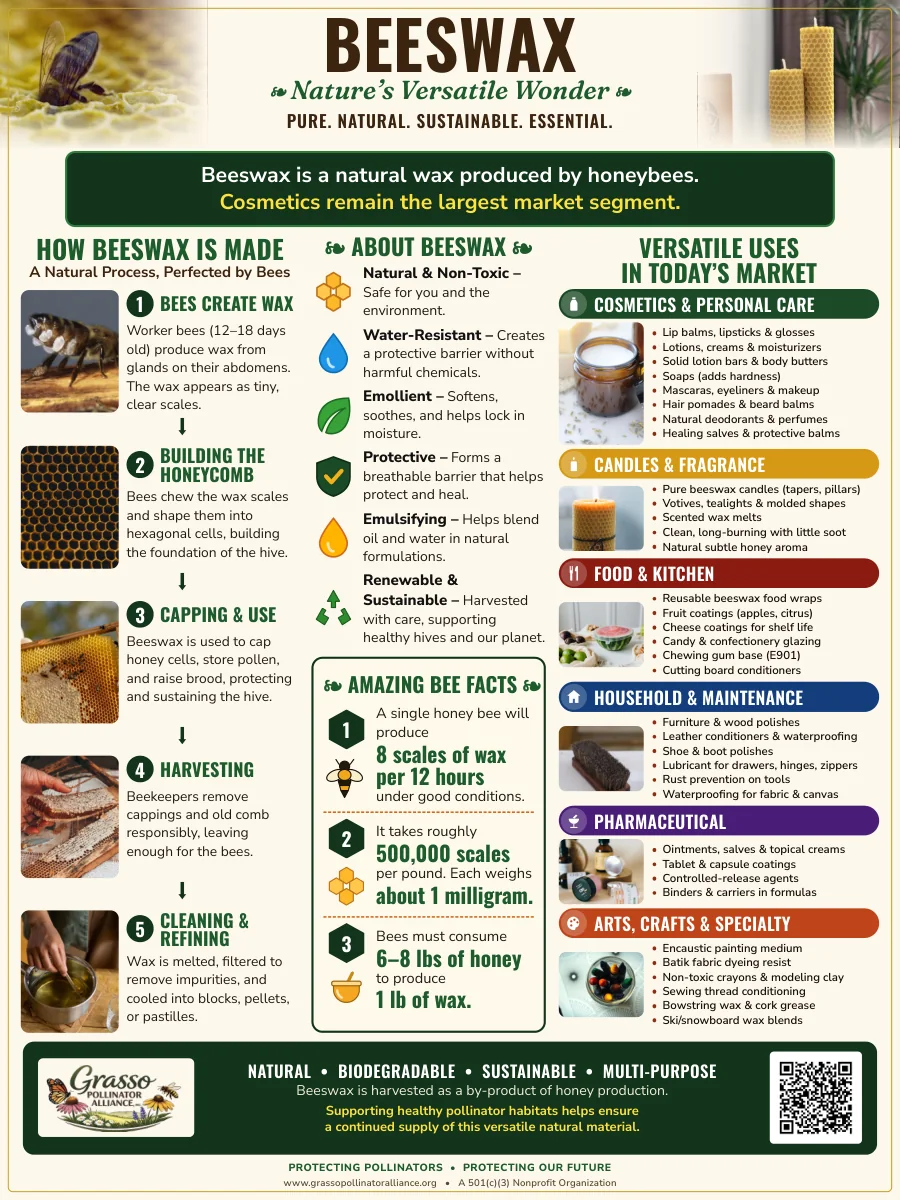
The bee we farm, from our own apiary hives. What a colony really is, and what beekeeping honestly does and does not fix.
Meet the hive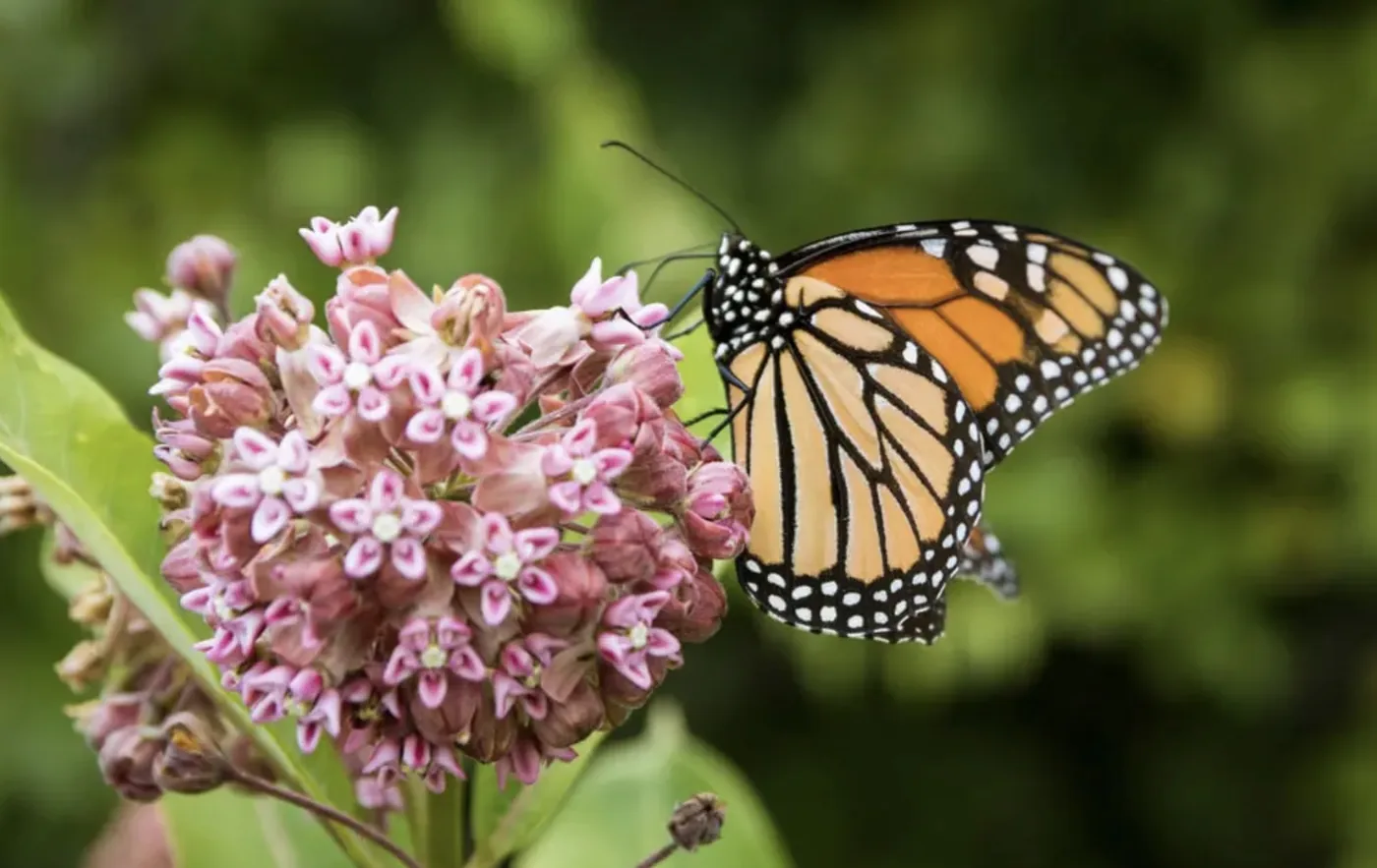
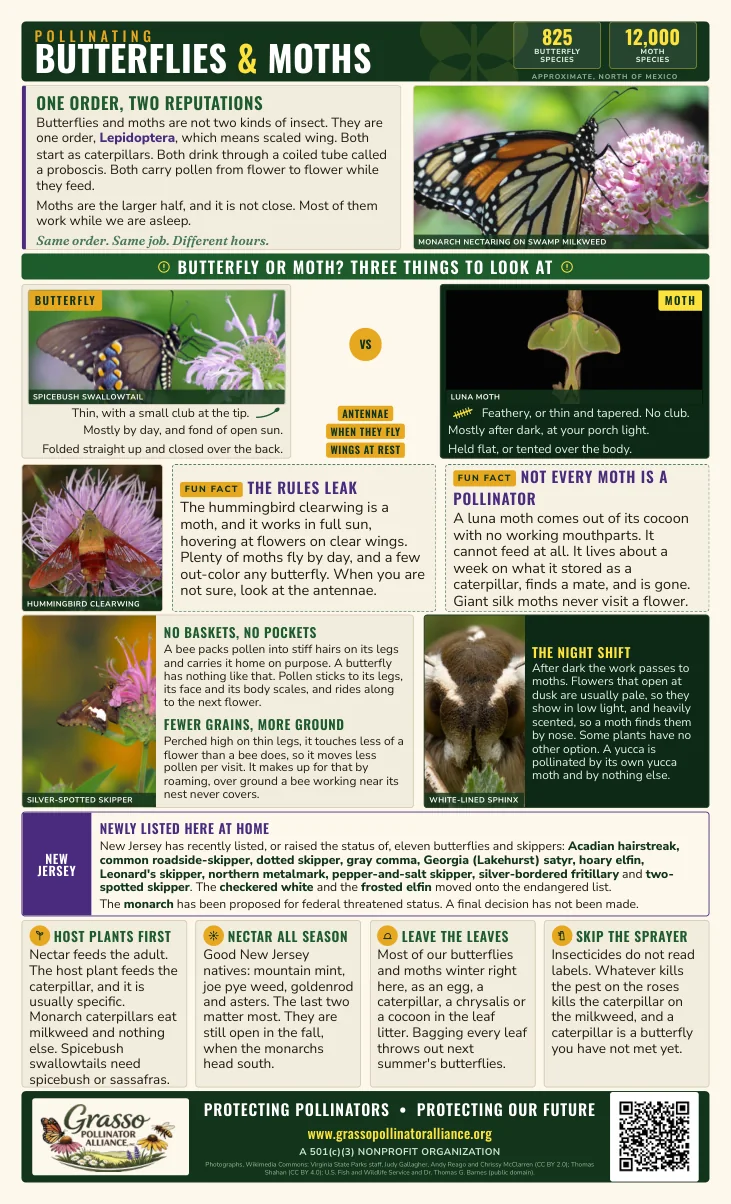
A 3,000 mile migration that runs straight down our coastline to Cape May, powered by one plant family and a chain of nectar stops.
Follow the migration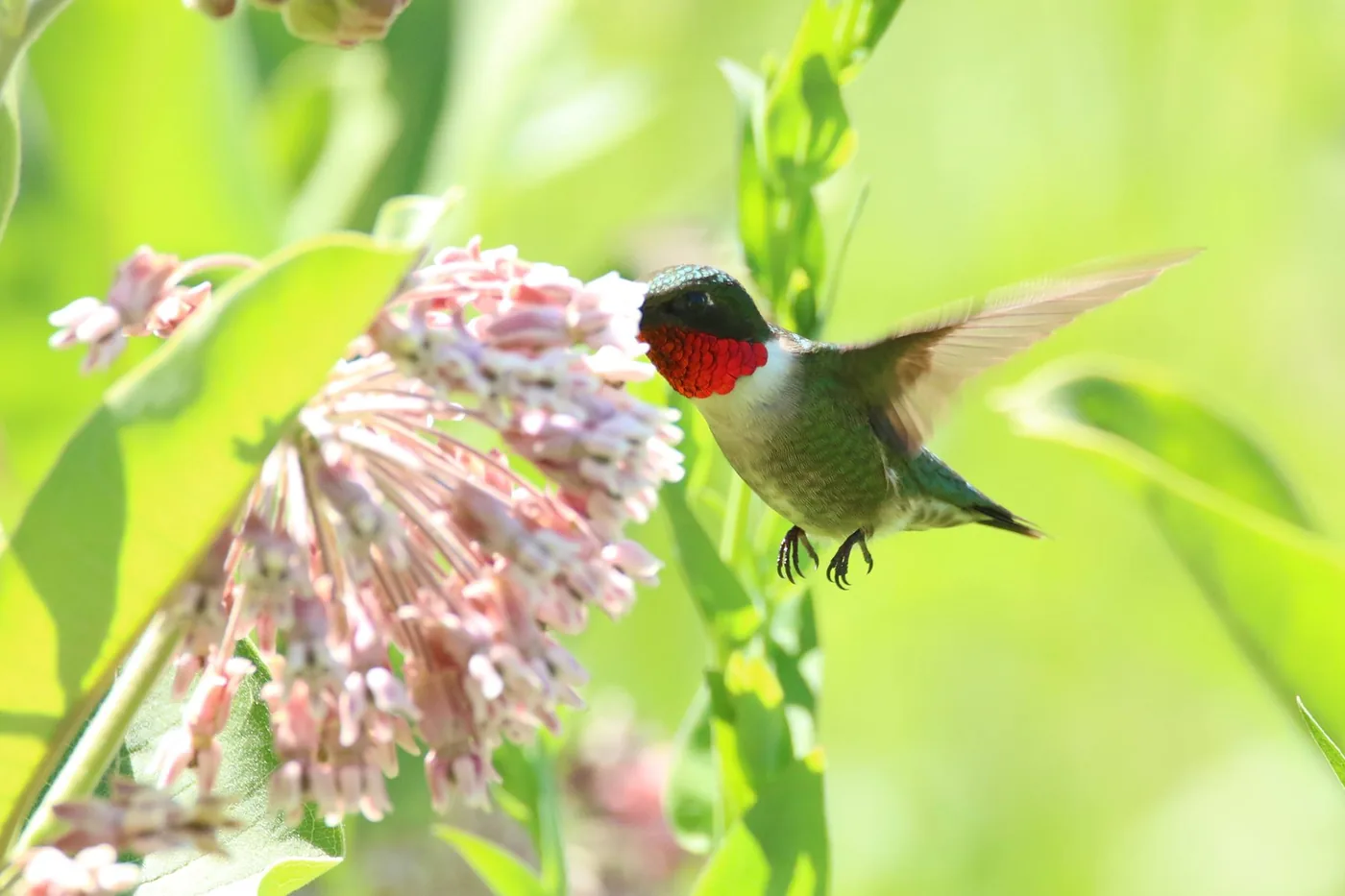
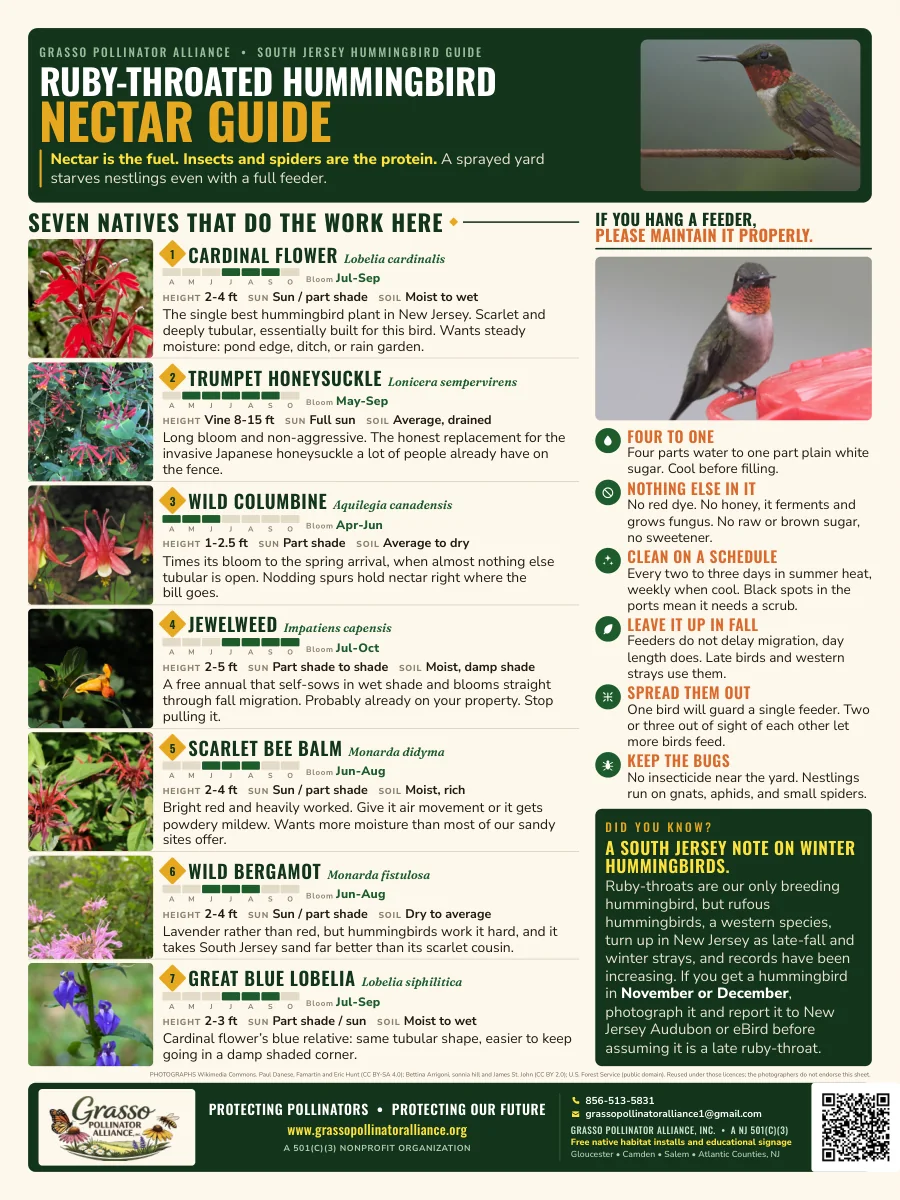
The only hummingbird that breeds in New Jersey, quietly slipping as the meadows and woodland edges it feeds along disappear.
Meet the hummingbird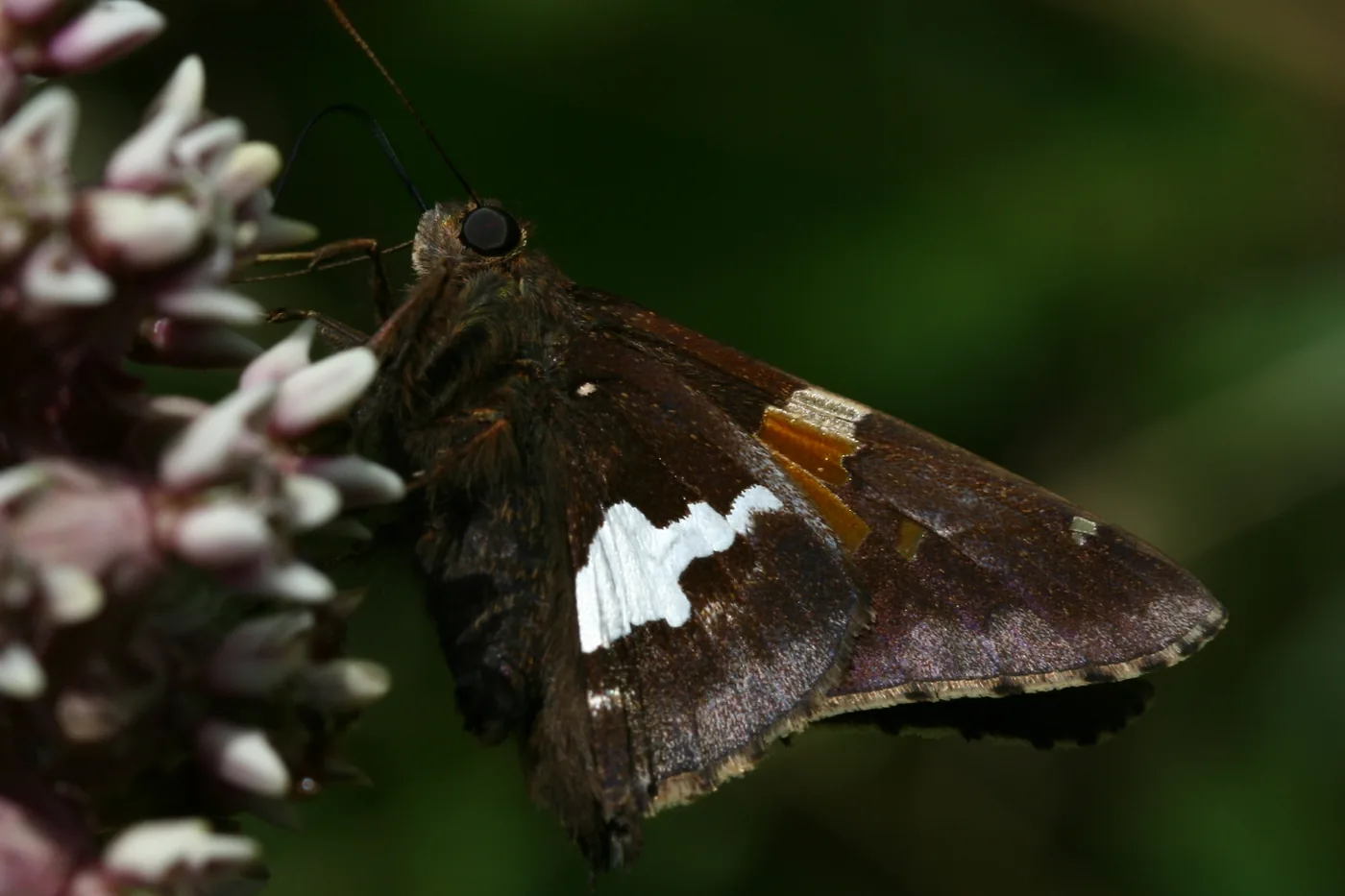
Small butterflies with fighter-jet flight, now filling New Jersey's watch lists, and the dragonflies patrolling the same gardens.
Meet the fliersFree, printable one-pagers from the Grasso Pollinator Alliance. Tap any card to view it full size, or download the PDF to print for your classroom, scout troop, or kitchen fridge.
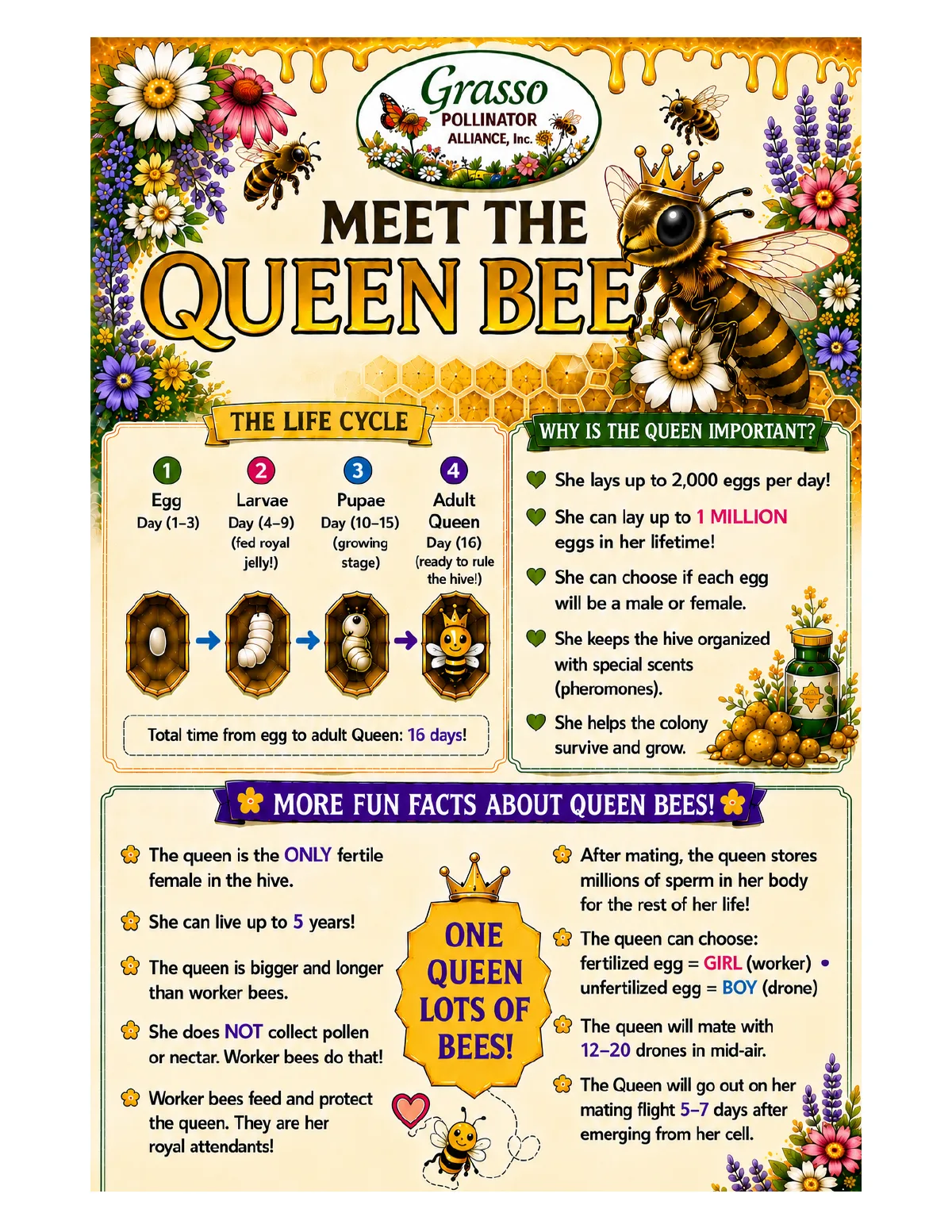
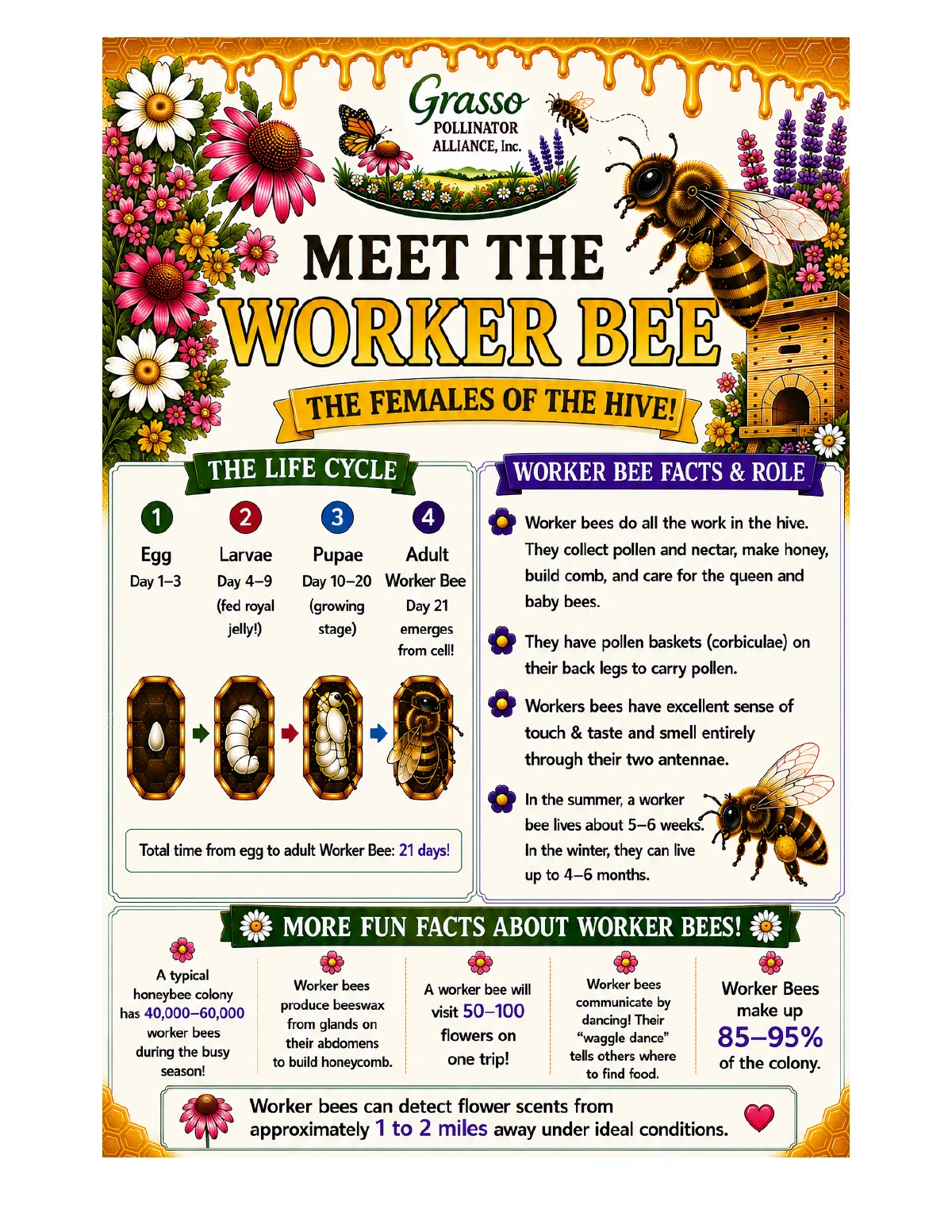
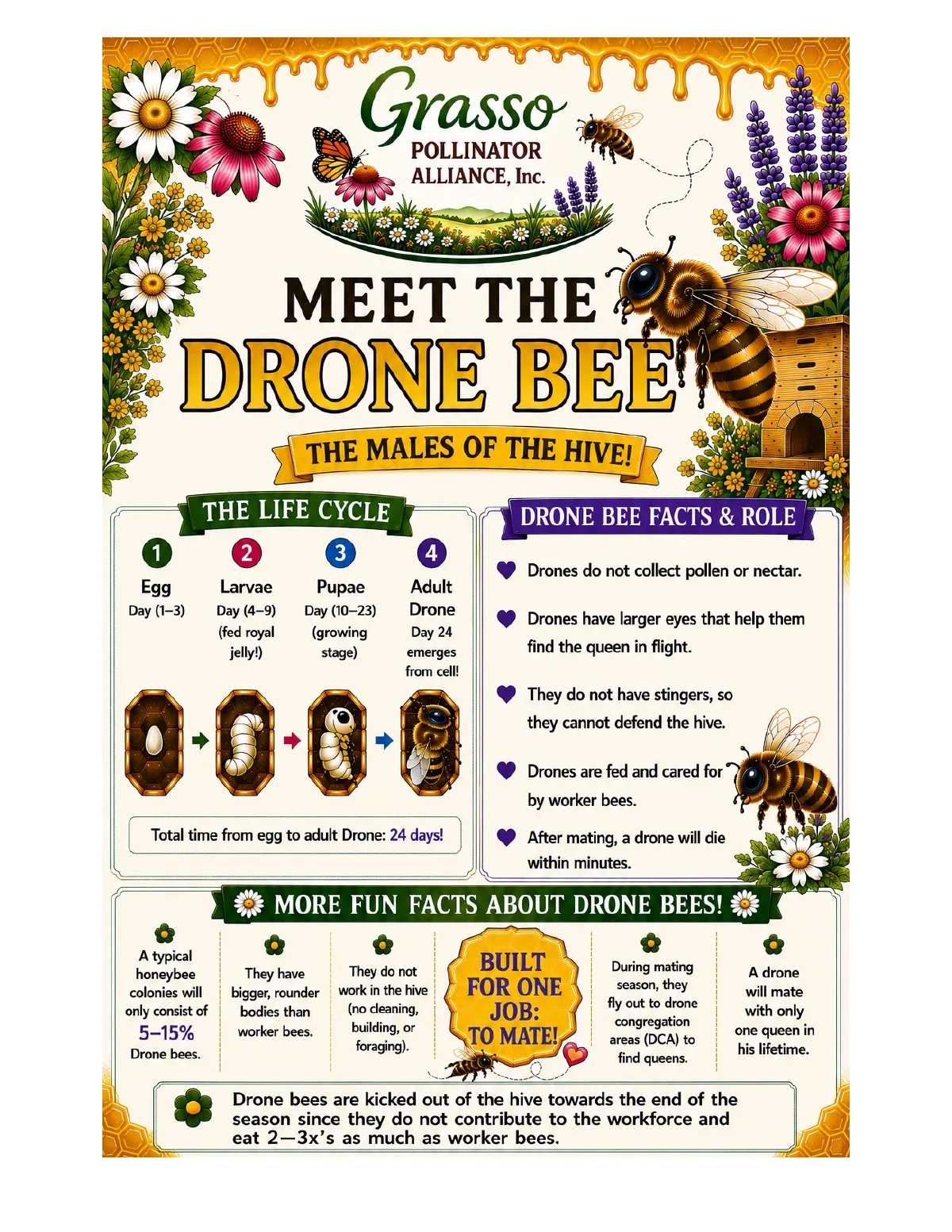
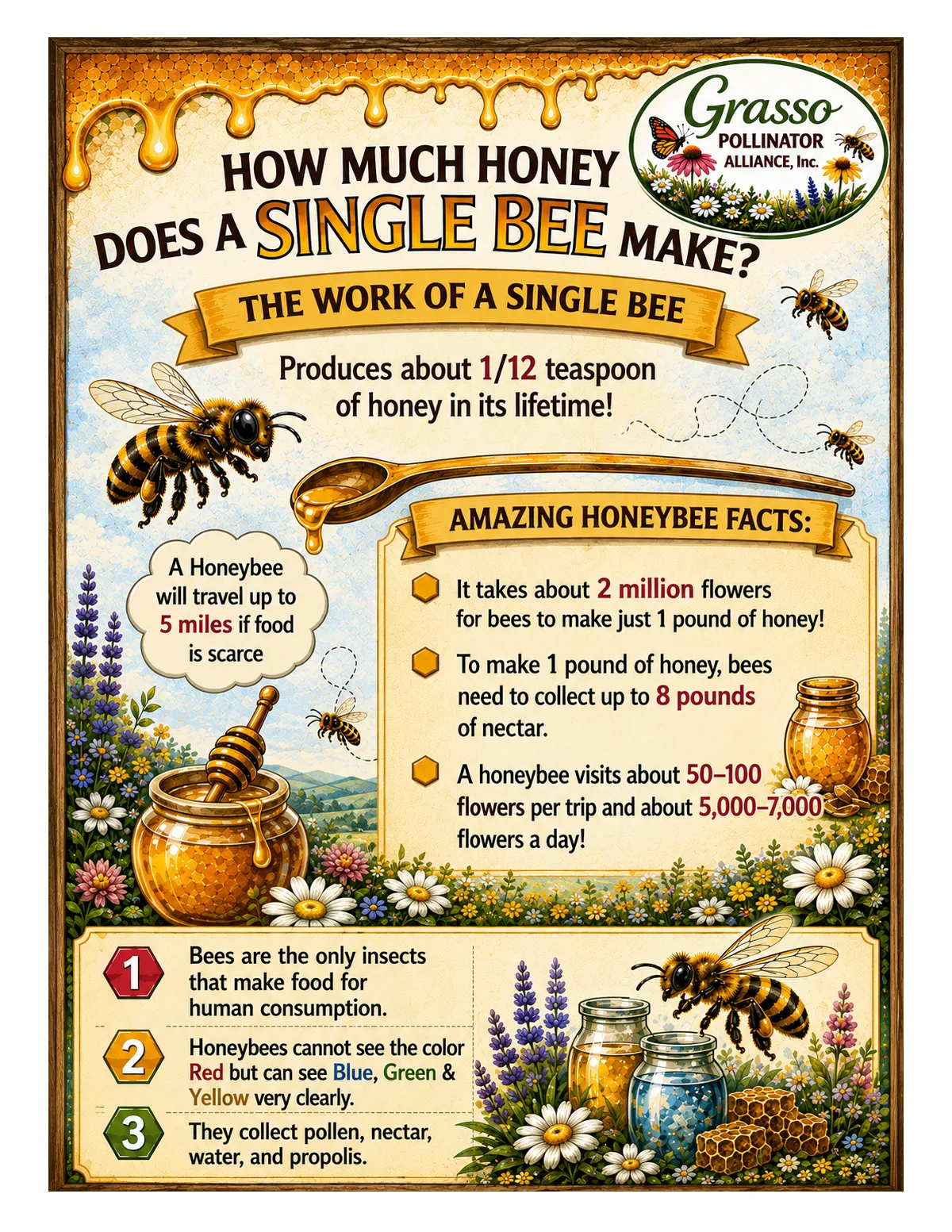
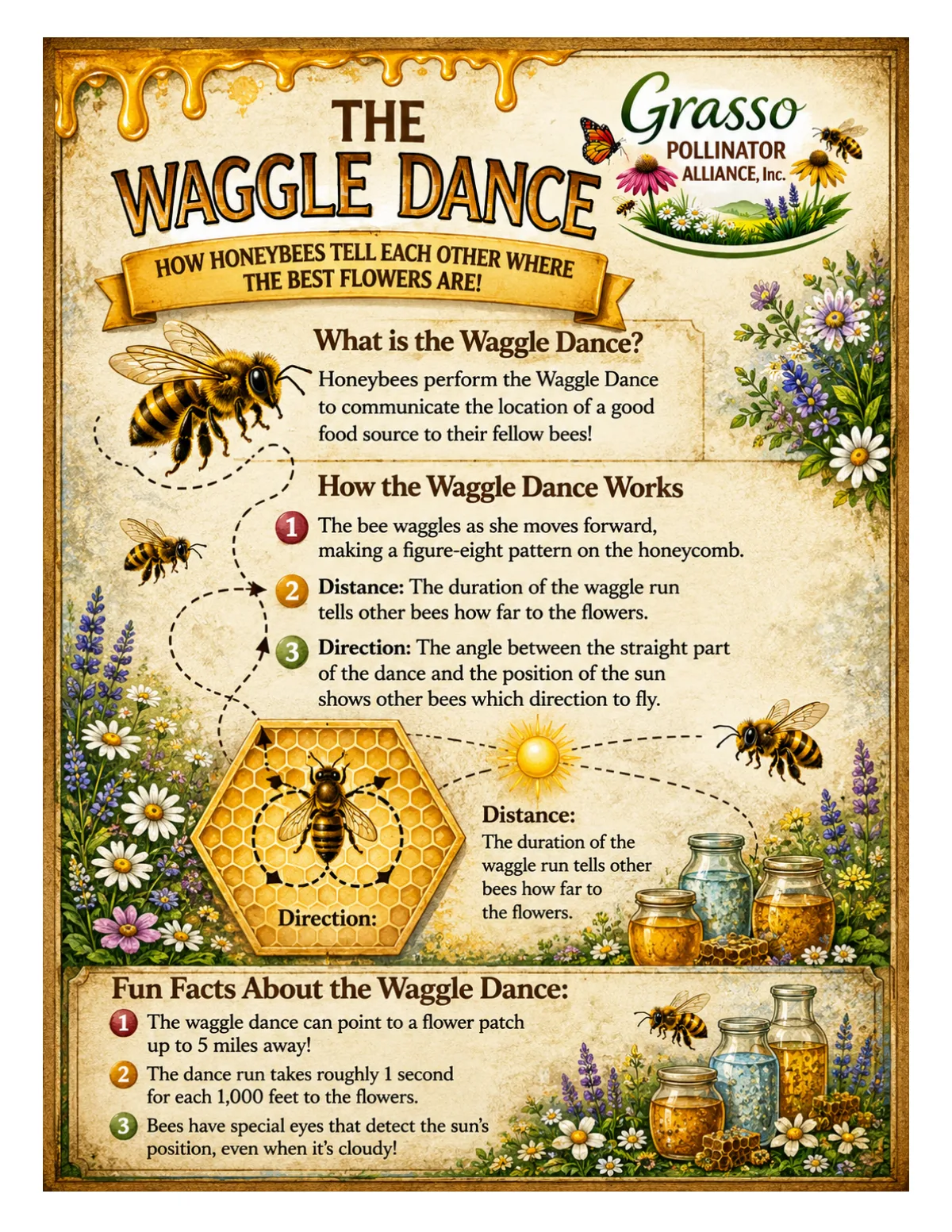
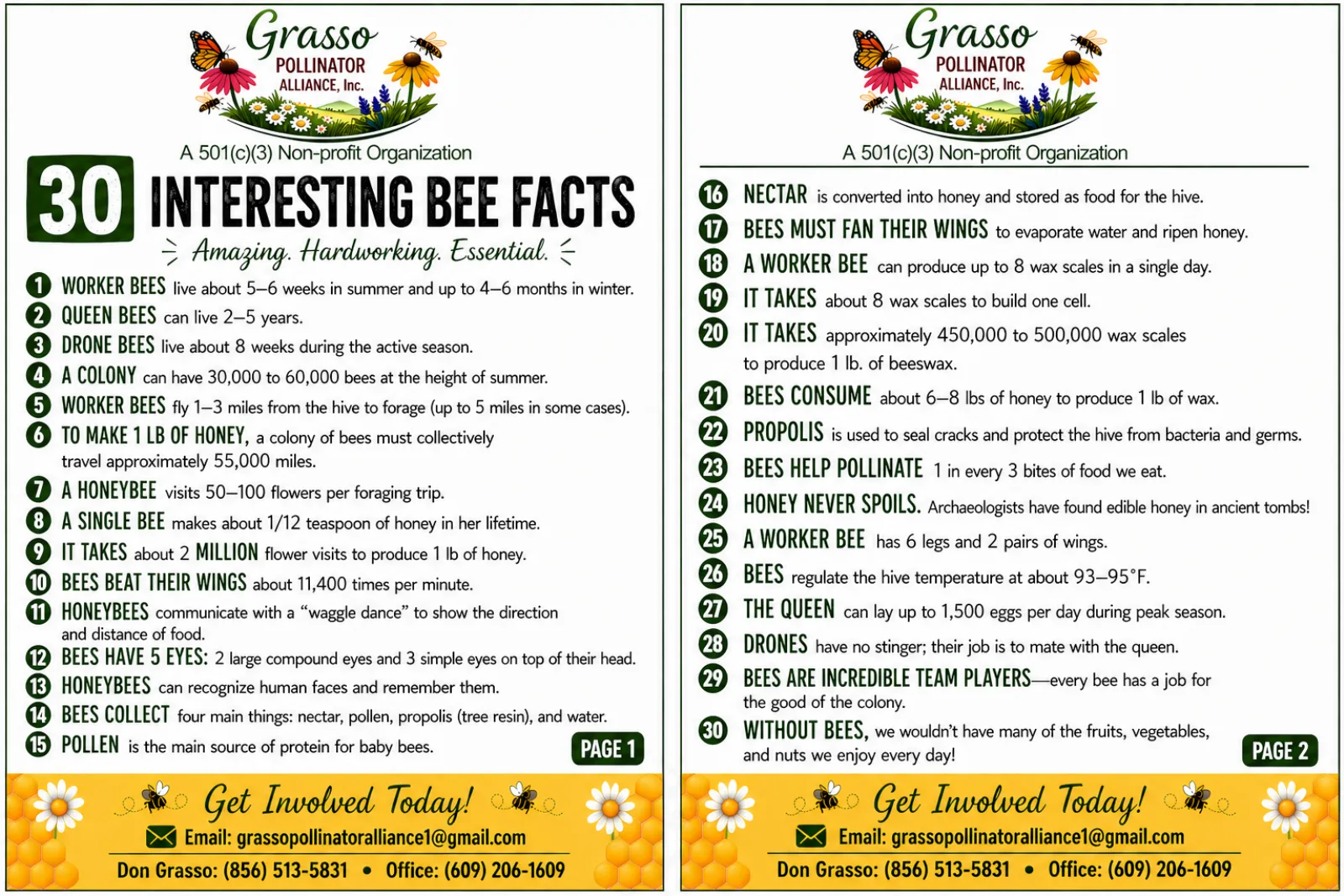
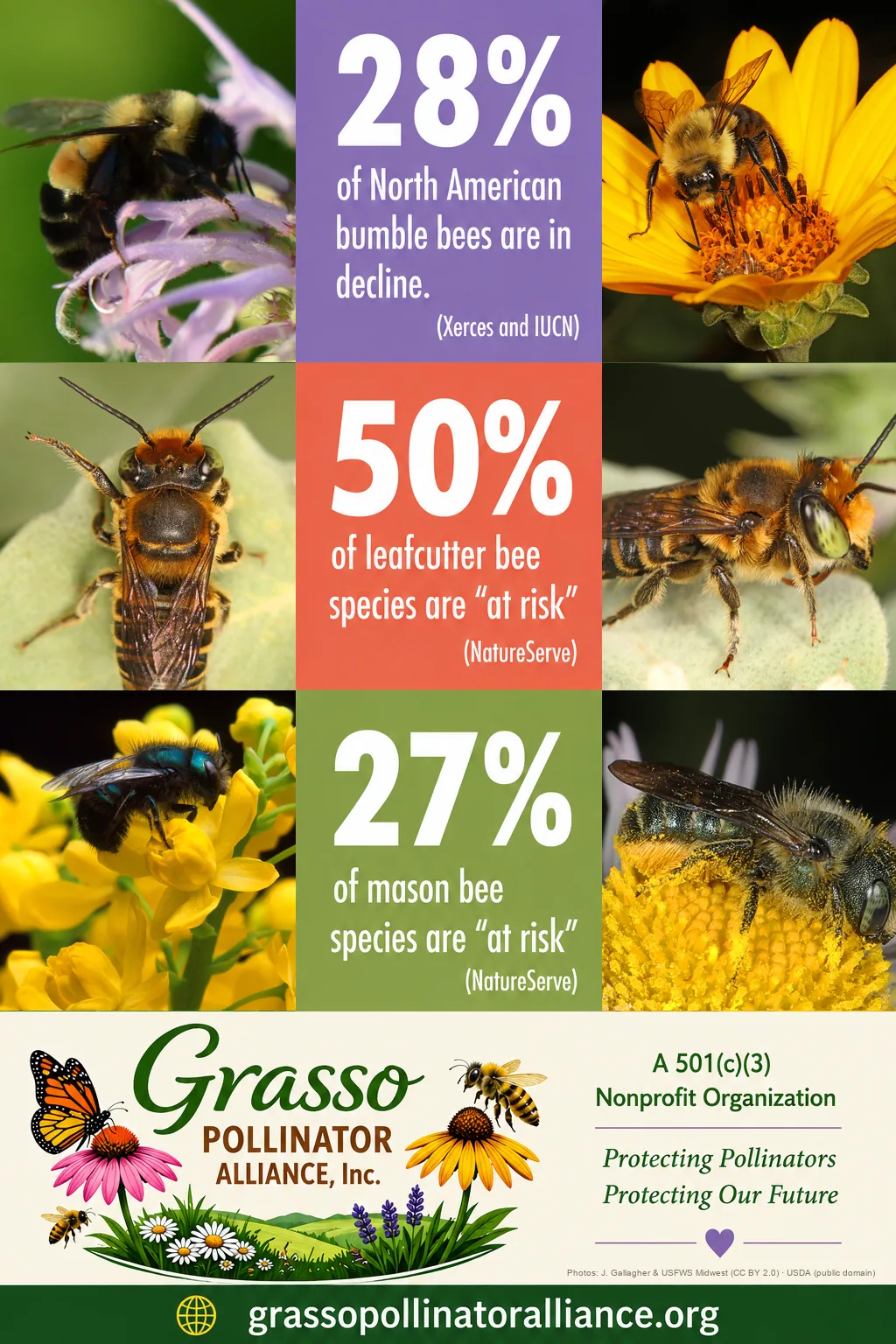
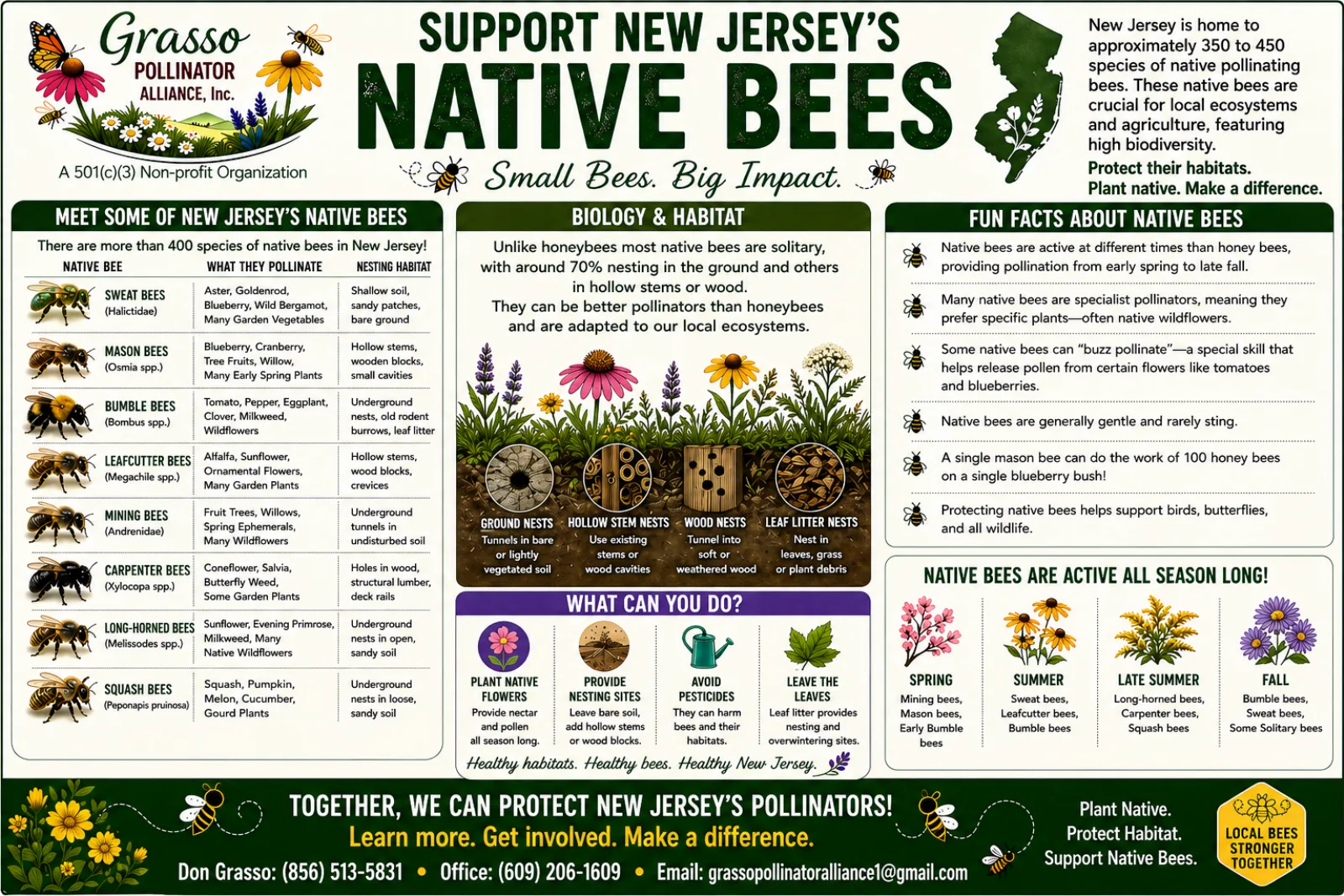
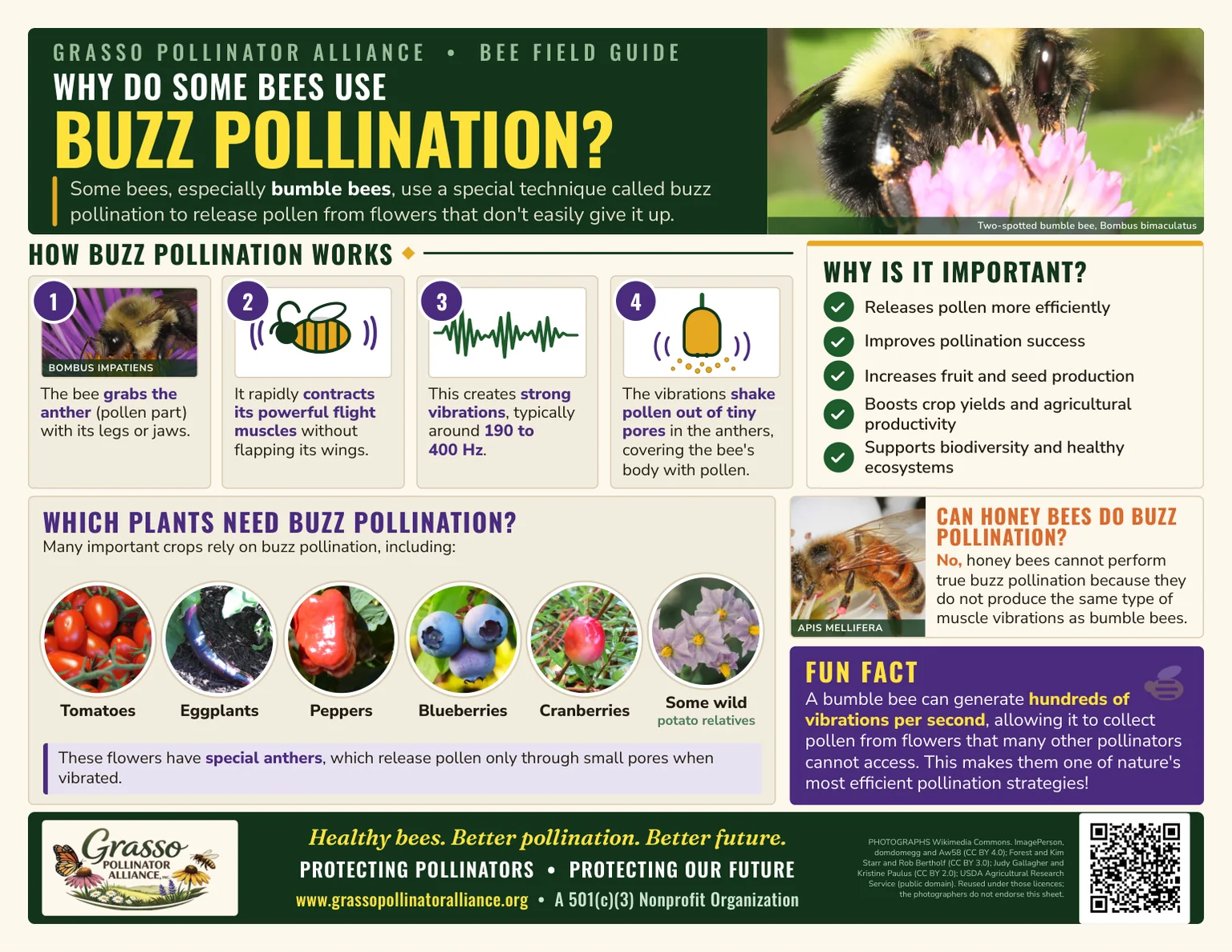
Bigger companion pieces to the field guide, built for a classroom wall, a farm stand, a library or a garden club table. Every photograph is a real one of the plant or animal it names. Tap a poster to view it full size, or download the print-ready PDF.
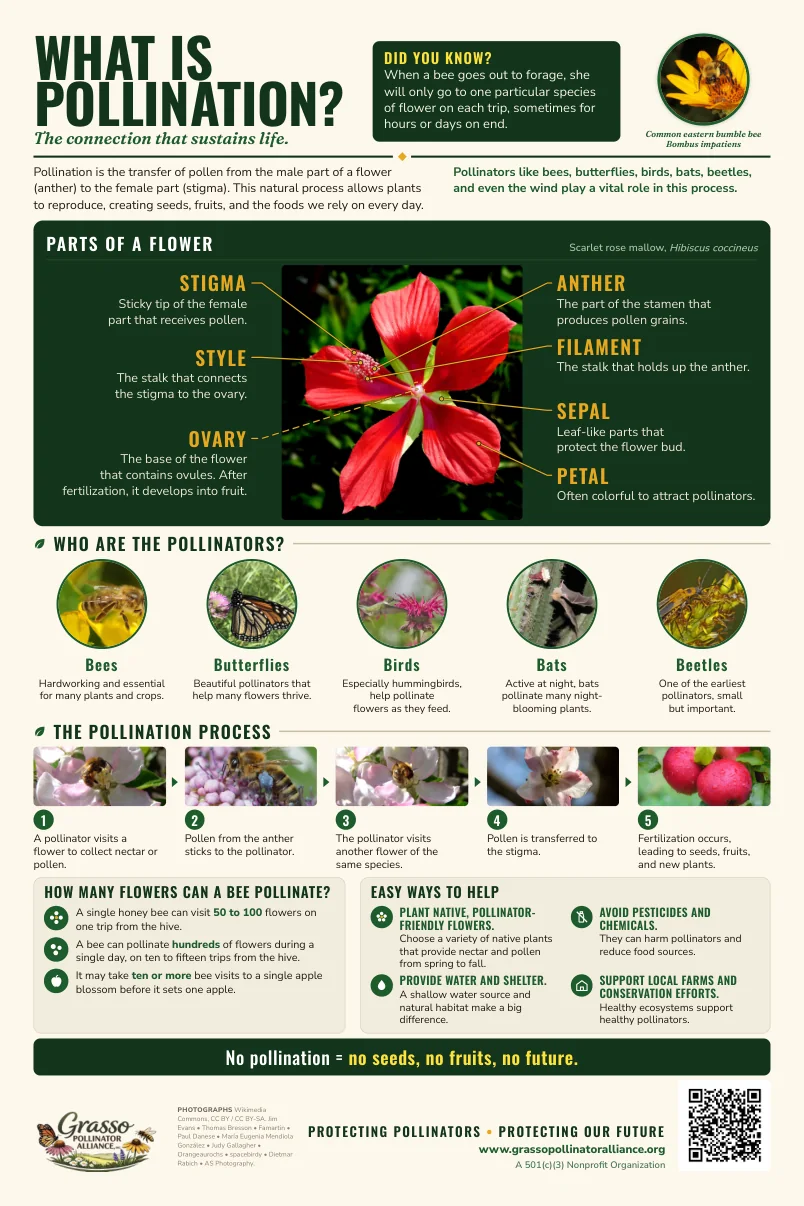
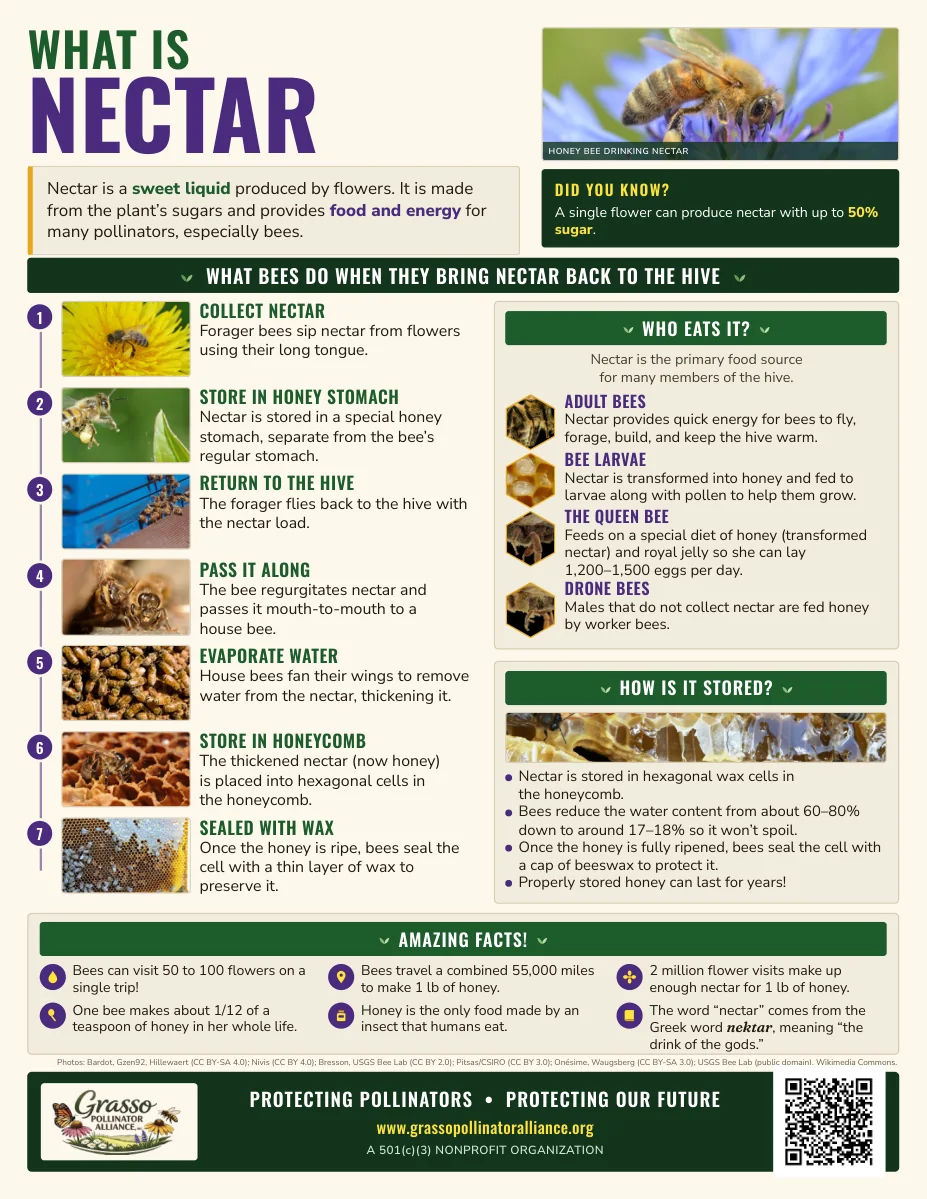
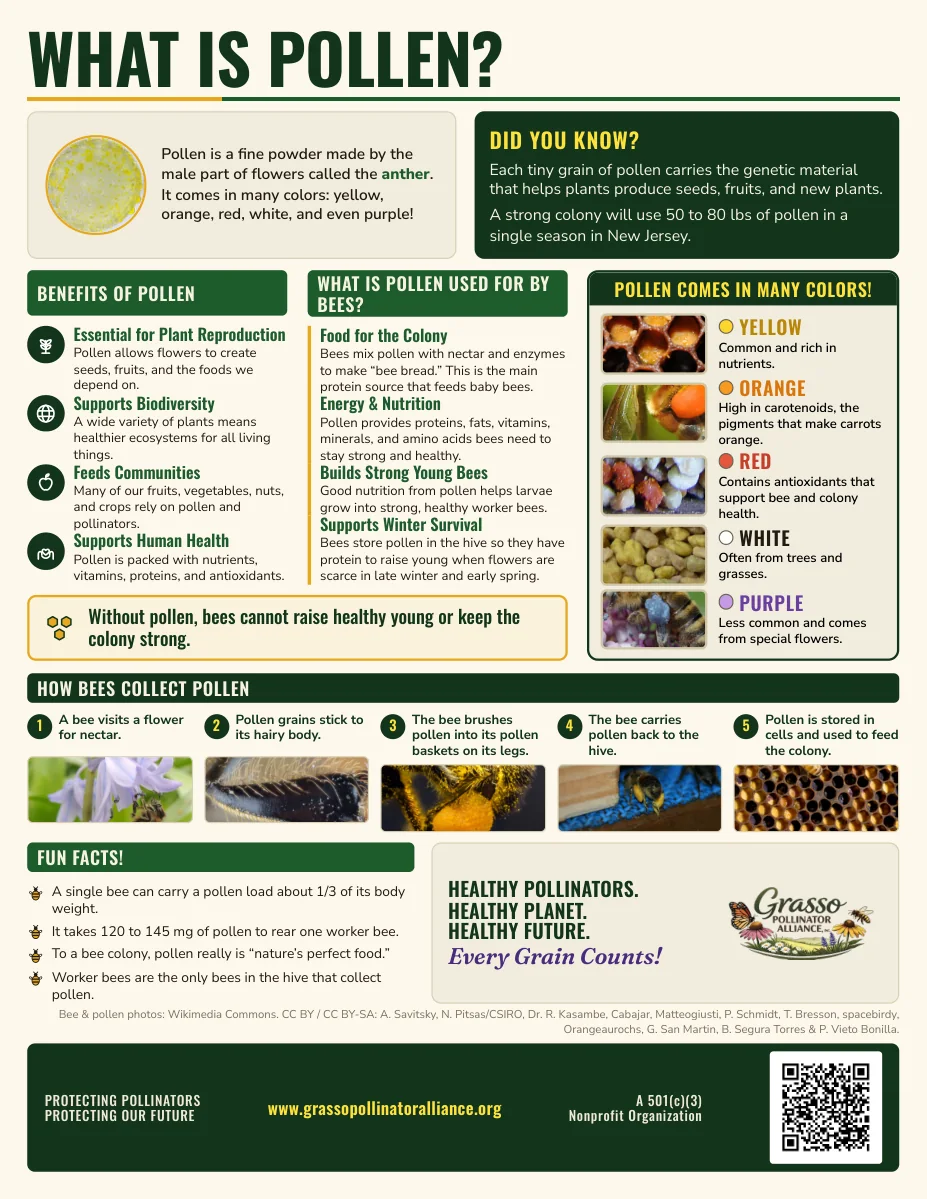
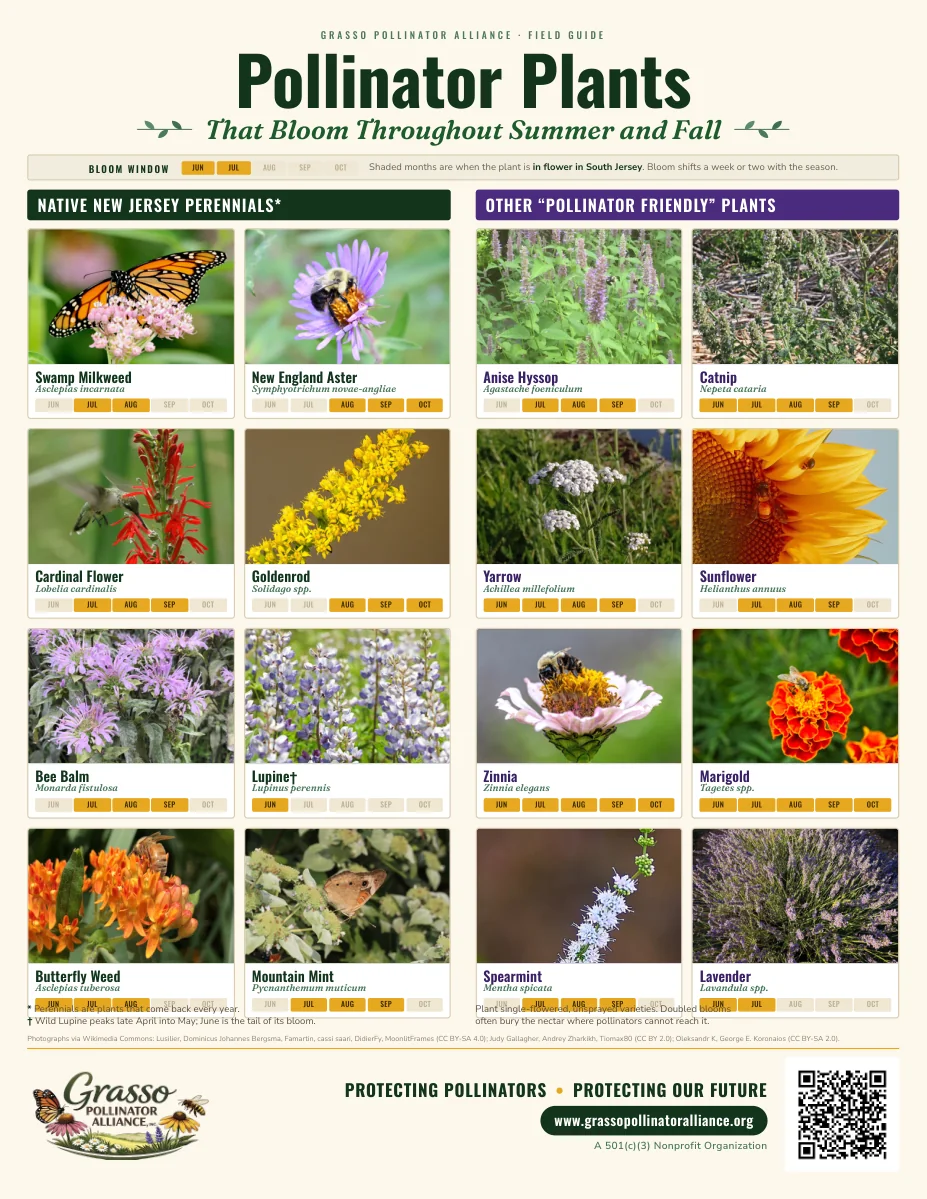
Most pollinator writing is national, which means it leads with Midwest corn and soybean problems that barely touch a blueberry farm in Atlantic County. So we ranked the threats for our four counties specifically. Where a national number does not transfer cleanly to South Jersey ground, the entry says so. And where an ordinary property owner controls the fix, the entry ends with it.
The warehouse buildout along the 295 and Turnpike corridor, plus steady residential sprawl through Gloucester County, is eating exactly the old fields, farm edges, and hedgerows that carry the most pollinator food per acre. New Jersey urbanized 324,256 acres between 1986 and 2007, the share of the state still open to development fell from 41 percent to about 14 by 2015, and roughly a third of the state's farmland has gone out of farming since the late 1970s, down to a little over 700,000 acres.
Fragmentation hurts as much as the acreage. Most native bees forage within a few hundred meters of the nest, so an isolated half acre surrounded by turf and pavement is not really habitat, even if it looks like it on a map. What turns scattered plantings into a working landscape is connection: hedgerows, ditch banks, unmowed margins linking patch to patch.
What helps: protect and connect what is left. Field margins, right-of-way, and detention basins are the cheapest habitat in South Jersey, because nobody is farming or building on them.
This is the one most people miss, because land can stay green and still stop feeding anything. Old fields and pasture become turf, mulch beds, and imported ornamentals. The acreage does not change. The food does. Roughly a quarter of North America's native bees are specialists tied to particular plant families, and when the plant goes, that bee goes, no matter what else is blooming. A yard of daylilies and knockout roses is a food desert to a specialist bee, however full it looks.
Timing fails the same way. A landscape can be loaded with bloom in June and offer nothing in April or October, exactly when overwintering bumble bee queens emerge and when migrating monarchs pass through.
What helps: native plants across the whole season, in groups of three or more. Our NJ native plant guide is built for this.
Ditch banks, fence lines, powerline corridors, and field margins get cleared on a schedule every year, usually in late summer. That is the worst possible timing: it is when migrating monarchs and pre-hibernation bumble bee queens need nectar most, and when caterpillars are on the plants and cannot leave. Across our four counties this quietly removes more forage each year than any single spraying event. Nobody notices, because it looks like maintenance instead of destruction.
What helps: push mowing on low-traffic margins past mid-October, raise the deck, and mark habitat plots with signage so seasonal crews do not level them. We provide those signs free.
Between the Pinelands, the salt marsh, and a deer herd that keeps ticks in every hedgerow, a big share of yards here sit under some kind of vector treatment: county mosquito operations plus private barrier spraying. Both are broad-spectrum by design. The chemistry that drops a mosquito also drops a bee, a hoverfly, and a monarch caterpillar on the milkweed at the property line. The spotted lanternfly response made it worse, putting homeowners on spraying schedules who had never sprayed a tree in their lives.
What helps: treat standing water instead of spraying adult mosquitoes, manage the woodland edge for ticks rather than the whole yard, and before signing with any contractor, ask exactly what they spray, when, and whether they treat plants in bloom.
South Jersey grows blueberries, cranberries, peaches, and vegetables at scale. That means a real pesticide load in the landscape, and it means truckloads of migratory honeybee colonies concentrated here during bloom. The concentration carries a cost most people never hear about: disease and parasite spillover from managed hives into wild bumble bees, plus direct competition for food when hundreds of colonies land in one place. Supporting honeybees and supporting native bees are related goals. They are not the same goal, and pretending otherwise does the wild species no favors.
What helps: habitat on and around working farms. Buffer strips, unsprayed margins, cover crops that flower. Federal and state conservation programs pay for a lot of it.
Worth stating precisely, because this is where the argument usually goes wrong. Genetic modification is not itself a pesticide. The documented harm came from what the trait allowed: herbicide-tolerant corn and soybeans let growers spray entire fields over the top of the crop, which wiped out the milkweed that used to survive between the rows. Researchers put the Midwest milkweed loss at 58 percent from 1999 to 2010, with monarch production there down 81 percent, and later work found roughly 95 percent of milkweed gone from Illinois cropland in about twenty years.
The honest local qualifier: that is a Corn Belt story. We grow fruit and vegetables, so the mechanism that gutted Midwest milkweed does not map directly onto South Jersey ground. What does reach us is treated seed and nursery stock: neonicotinoid coatings are systemic insecticides that move into pollen and nectar, and they arrive here in landscaping plants as much as in field crops.
What helps: ask your nursery whether plants were grown with systemic neonicotinoids, and buy from native plant growers who can answer.
Not one mechanism but several. A warm spring pushes bloom ahead of the insects that depend on it, so flowers open before the pollinators are flying, or after. Nor'easters and tropical systems now land during peak fall monarch movement at Cape May, and a badly timed storm over the Delaware Bay crossing kills migrants outright. Coastal flooding degrades the marsh edge that carries seaside goldenrod, the fuel that stopover runs on. Warm winters interrupt dormancy and burn fat reserves meant to last until spring. And drought-stressed plants simply make less nectar: the flower is there and the food is not.
What helps: diversity and redundancy. A planting with many species across many bloom windows absorbs a bad year that a monoculture cannot.
Pine Barrens ecology runs on fire. Suppress it and the canopy closes, shading out the open sandy ground that our specialist bees depend on. Several of the best South Jersey pollinator plants, horsemint, blunt-leaved milkweed, golden aster, need exactly that open, disturbed, sandy condition. Deer strip whatever forb layer survives. Between a closing canopy and heavy browse, a forest can look perfectly healthy from the road and offer almost nothing at ground level.
What helps: support prescribed burning and habitat management on public land. This one is not solved in a back yard.
Japanese honeysuckle, autumn olive, multiflora rose, and mile-a-minute on the uplands; phragmites swallowing long stretches of salt marsh. They replace diverse native bloom with dense monoculture that flowers briefly or feeds almost nothing. The deceptive part is that some of them do flower and do draw insects, which makes them look harmless. What they erase is the specialist relationship, the one plant a particular bee cannot substitute.
What helps: replace as you remove. Trumpet honeysuckle for Japanese honeysuckle, native viburnum for autumn olive. Bare ground just gets reinvaded.
New Jersey lost roughly 4,400 acres of coastal salt marsh between 1986 and 2015 to sea level rise and erosion, and shoreline at some locations retreated more than 1,000 feet in 29 years. For monarchs this is a direct hit: that shoreline edge is where seaside goldenrod grows, the single most important fall nectar source on our coast and the fuel that carries migrants across the Delaware Bay. Marsh that cannot migrate inland because a bulkhead or a road sits behind it simply drowns.
What helps: plant seaside goldenrod inland of the marsh edge, on sandy ground that will still be there in thirty years.
What we don't claim. No single cause explains pollinator decline, and anyone who says otherwise is selling something. The monarch decline in particular is still argued over: milkweed loss is the leading explanation, but researchers have raised migration mortality and the loss of fall nectar as competing or additional factors. We think that argument is healthy. It also does not change what we do, because habitat is the limiting factor under every hypothesis on the table.
Severity tags are our own working assessment for South Jersey, from what we see on job sites and what the regional data supports. Not a peer-reviewed ranking.
The four counties we serve sit at the nexus of pollinator crisis and pollinator opportunity. The threats are real. So is the potential for restoration.
The numbers above are heavy, but restoration measurably works: a single well-planted native garden can support dozens of bee species, and a school garden can host monarchs one season after the milkweed goes in. Three of the ten threats above have fixes an ordinary property owner controls outright. The fourth belongs to your township, and we will help you make that case.
Delay mowing on margins and low-traffic ground until after mid-October. It costs nothing, saves fuel, and preserves the fall nectar the migration depends on.
Mow flowering weeds before any turf application, never treat a plant in bloom, and spray after foraging ends for the day. All free, and most of it saves product.
Milkweed for the caterpillars, goldenrod and aster for the fall migration, and something in bloom from March to frost. Groups of three or more, so foragers can actually find them.
Detention basins, park edges, and right-of-way are the biggest untapped habitat South Jersey has, and converting them cuts municipal mowing costs. Bring us to the meeting.
Nothing on this page is our own estimate dressed up as research. If you plan to cite a figure in a grant application, go to the source and confirm it first; some of the New Jersey datasets run through 2020.
Habitat is the limiting factor under every one of them. Every native plant we install, every margin that goes unmowed until fall, every township contract rewritten is ground gained. Join us.